





Over the last decade, pets have moved from being household animals to becoming integral members of families. With this shift, expectations around veterinary care have also changed, especially in areas such as veterinary oncology, where pet owners increasingly demand advanced therapies for cancer, chronic inflammatory diseases, metabolic disorders, and age-related conditions in dogs and cats.
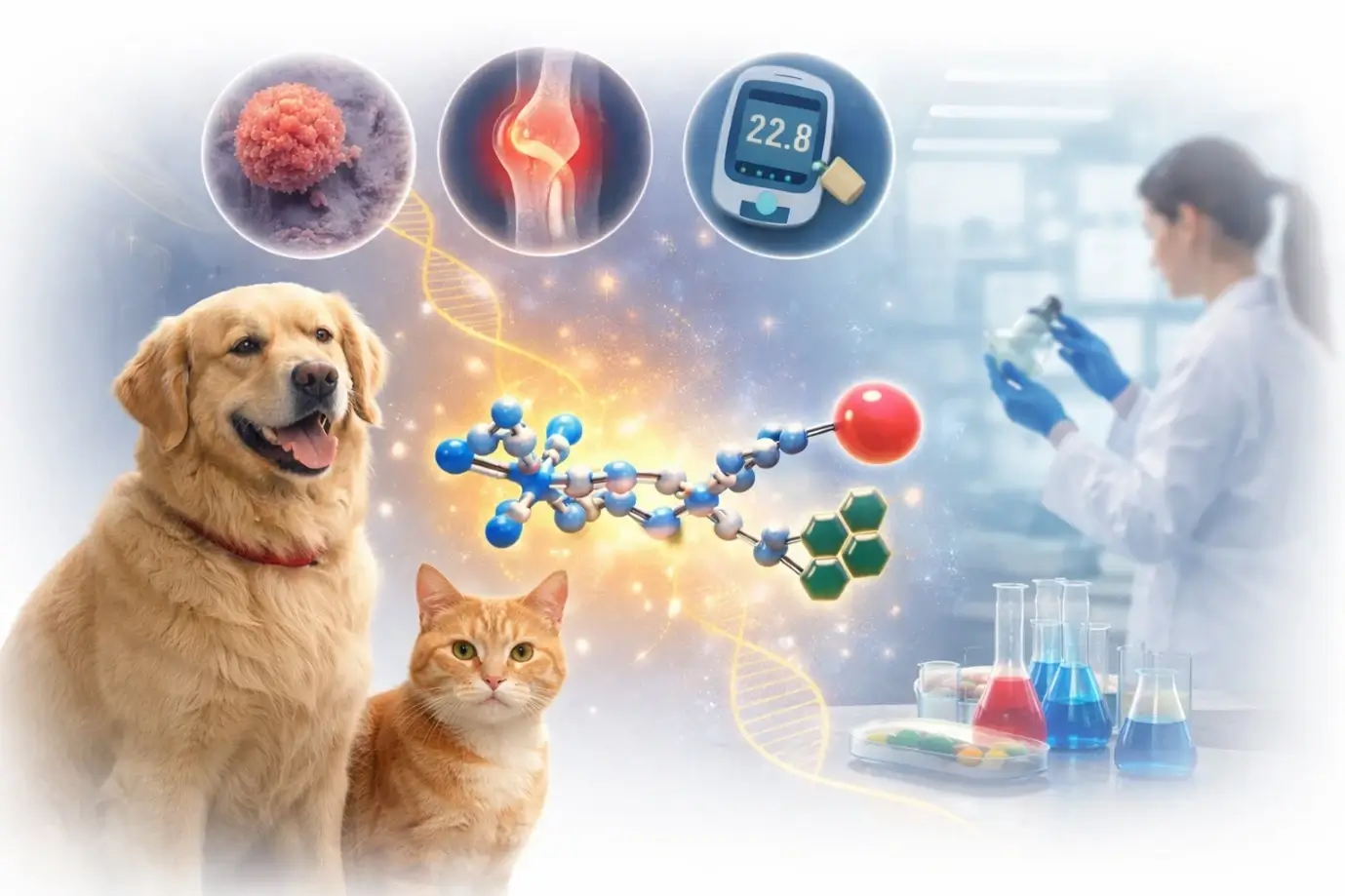
At the same time, the scientific community recognizes that companion animals often develop diseases that are biologically similar to human conditions. Canine lymphoma, osteoarthritis, atopic dermatitis, diabetes, and certain solid tumors mirror human pathophysiology in meaningful ways. This convergence has accelerated translational research and created an opportunity for innovative therapeutic formats in veterinary drug development.
Among emerging modalities, peptide conjugates are gaining attention as a flexible platform enabling targeted drug delivery for next-generation pet therapeutics.
Why peptide conjugates and conjugation chemistry matter in veterinary drug development
Peptides are short chains of amino acids designed to interact with specific molecular targets. Their size and structural flexibility allow them to bind receptors, modulate signaling pathways, or interfere with protein interactions with relatively high specificity.
However, standalone peptides often face limitations such as rapid degradation, short half-life, and limited bioavailability. Conjugation technologies address these challenges. By attaching peptides to carriers, small molecules, polymers, lipids, or imaging agents, their pharmacokinetic profile and tissue targeting can be improved significantly.
In companion animal health, this becomes particularly relevant. Dogs and cats exhibit species-specific metabolic rates, immune responses, and gastrointestinal absorption patterns. A small peptide that works in rodents or humans may behave very differently in a canine or feline system. Conjugation strategies help optimize stability, reduce off-target exposure, and extend dosing intervals, which is important for compliance in veterinary settings.
Peptide conjugates can therefore offer a balance between precision and practicality. They allow targeted modulation of disease pathways while maintaining manageable manufacturing complexity compared to large biologics.
Therapeutic applications in veterinary oncology and companion animal health
Oncology
Cancer remains one of the leading causes of mortality in aging dogs. Traditional chemotherapy is still widely used, but toxicity and quality-of-life concerns limit its long-term utility. Peptide conjugates designed to selectively bind tumor-associated receptors can be linked to cytotoxic payloads or immune modulators.
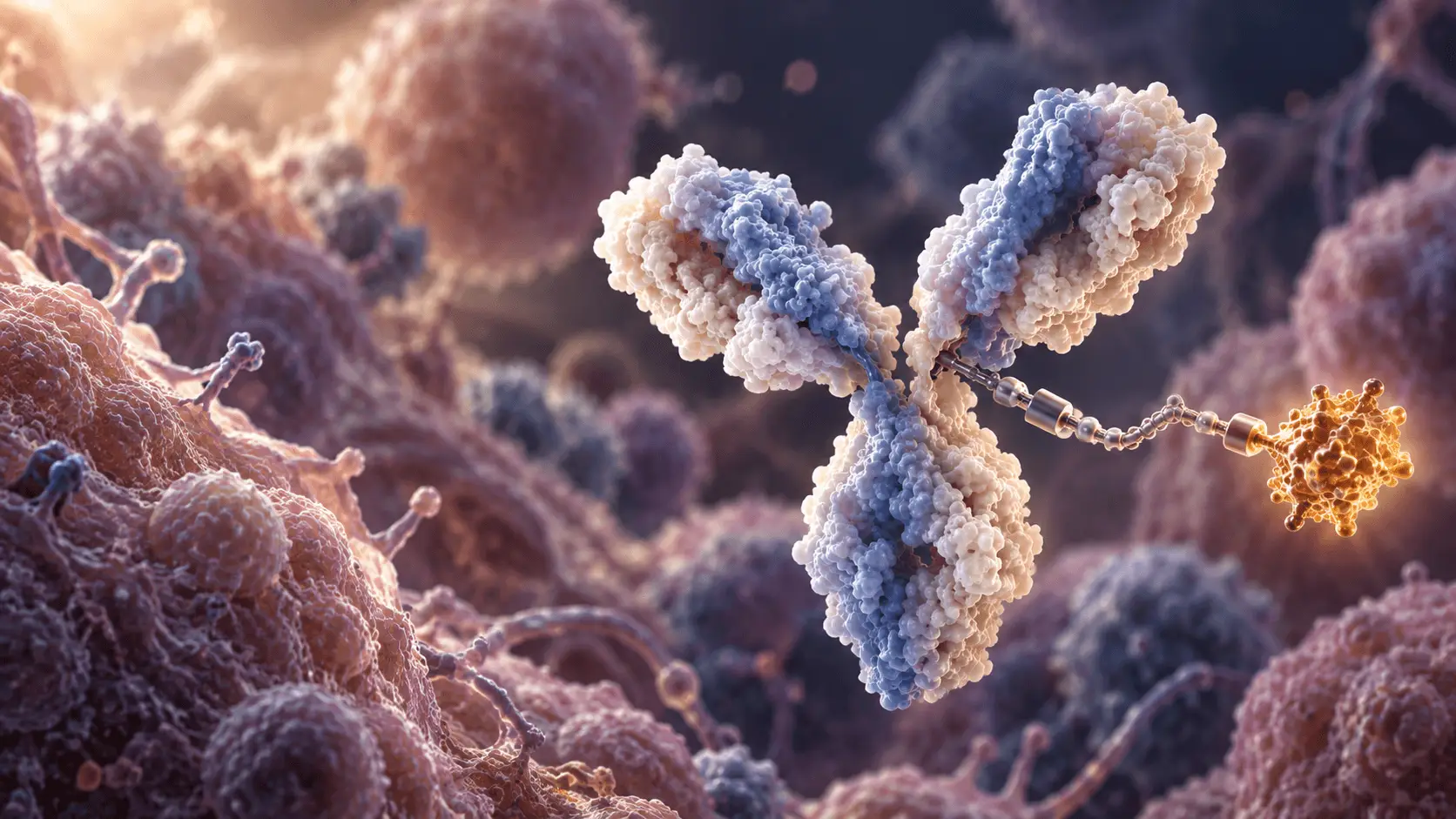
Such targeted drug delivery systems may reduce systemic toxicity while enhancing drug concentration within tumor tissues. In canine mast cell tumors or lymphoma, receptor-specific peptide conjugates could improve therapeutic index. The approach is conceptually similar to antibody drug conjugates in human oncology, but peptides provide smaller size and potentially lower immunogenicity.
Chronic inflammatory and immune-mediated disorders
Conditions such as atopic dermatitis, inflammatory bowel disease, and immune-mediated hemolytic anemia are increasingly diagnosed in companion animals. These disorders often require long-term immunosuppression, which carries risks.
Peptide conjugates that selectively modulate cytokine signaling or cell surface receptors involved in inflammation offer a more focused intervention. By targeting specific immune pathways rather than broadly suppressing immunity, it is possible to maintain disease control while minimizing adverse effects.
Metabolic and endocrine disorders
Diabetes mellitus in cats and dogs, as well as obesity-linked metabolic syndromes, present a growing burden in veterinary practice. Peptide-based agonists or antagonists targeting metabolic receptors can be engineered for sustained action through conjugation with fatty acids or polymers.
Long-acting formulations reduce injection frequency, which directly affects owner adherence. Compliance is a very real issue in pet care, especially when daily injections are required.
Scientific considerations in peptide conjugates and conjugation chemistry
Developing peptide conjugates for companion animals requires careful alignment of molecular design, pharmacology, and species-specific biology.
Target identification and validation
A robust understanding of disease biology in the target species is essential. Receptor expression patterns, binding affinity, and downstream signaling may differ between humans and animals. Therefore, translational assumptions must be validated through species-relevant in vitro models and tissue studies.
Molecular profiling in veterinary oncology and immunology is improving, yet it still lags behind human datasets. This gap makes early validation work critical.
Conjugation chemistry and stability
In conjugation chemistry, the choice of linker chemistry influences drug release kinetics, stability, and safety. Cleavable linkers may enable payload release in specific intracellular environments, while non-cleavable linkers provide prolonged systemic stability.
In veterinary applications, environmental exposure, body weight variability, and metabolic diversity across breeds add additional complexity. For example, large-breed dogs and small-breed dogs can exhibit distinct pharmacokinetic profiles. These variations must be considered during dose scaling and toxicology studies.
Manufacturing reproducibility is equally important. Peptide conjugates require precise control of conjugation ratios, impurity profiles, and aggregation tendencies. Even small deviations may affect potency or immunogenicity.
Formulation and route of administration
Subcutaneous administration is often preferred in veterinary practice due to ease of delivery. However, injection site reactions and local tolerability need evaluation in the target species.
Oral delivery of peptides remains challenging due to enzymatic degradation. Conjugation with protective carriers or encapsulation strategies can enhance oral bioavailability, but formulation development must consider taste masking and palatability. Animals may simply refuse medication if taste is unpleasant. This may sound trivial, but it affects real-world outcomes.
Regulatory and development pathways in veterinary medicine
Veterinary drug development follows regulatory frameworks that differ from human pharmaceuticals. Safety margins, residue studies in food-producing animals, and environmental impact assessments may apply depending on the product category.
For companion animals, regulatory pathways often emphasize safety, tolerability, and demonstration of clinical benefit in the target species. Well-designed field studies conducted in real veterinary settings are essential.
In veterinary drug development, the relatively smaller market size compared to human therapeutics requires cost-efficient development strategies. Integrated chemistry, manufacturing, and control capabilities combined with preclinical and clinical expertise can streamline timelines and reduce development risk.
In some cases, peptide conjugates originally explored in human pipelines may be repurposed or adapted for veterinary use. However, intellectual property positioning and species-specific data requirements must be addressed early.
The role of integrated CRDMO capabilities
The development of peptide conjugates for companion animal health spans discovery chemistry, peptide synthesis, analytical characterization, formulation development, toxicology, and clinical supply manufacturing. Fragmented outsourcing can introduce variability and delay.
An integrated CRDMO model supports seamless transition from target validation to GMP manufacturing. Peptide synthesis platforms, conjugation chemistry expertise, bioanalytical capabilities, and preclinical evaluation under one coordinated framework improve data continuity.
High-quality analytical methods are particularly important for conjugate products. Characterization such as purity, molecular weight distribution, conjugation efficiency, and stability under different storage conditions ensures regulatory readiness.
Scalable manufacturing processes must also accommodate variable demand patterns typical of veterinary markets. Flexible batch sizes and robust quality systems support commercial viability. It is not only about making the molecule, it is about making it reproducibly and at the right cost.
Looking ahead: precision veterinary medicine
Companion animal health is gradually moving toward precision medicine. Genomic profiling of tumors in dogs, breed-specific disease risk data, and improved diagnostic imaging are enabling more tailored treatment approaches.
Peptide conjugates align well with this shift. Their modular design allows adaptation to different targets, payloads, and disease indications. As molecular diagnostics in veterinary medicine become more accessible, targeted therapies may become standard rather than exceptional.
The future of pet therapeutics will likely involve a combination of biologics, small molecules, cell-based therapies, and advanced conjugates. Within this landscape, peptide conjugates represent a practical and scientifically grounded platform that bridges innovation with manufacturability.
As expectations around companion animal care continue to rise, the industry must balance advanced science with safety, scalability, and affordability. Developing robust peptide conjugate pipelines within an integrated development framework can accelerate this evolution. In many ways, Pet Therapeutics 2.0 is not just about new molecules, it is about building smarter development models for the animals that increasingly share human lives.