





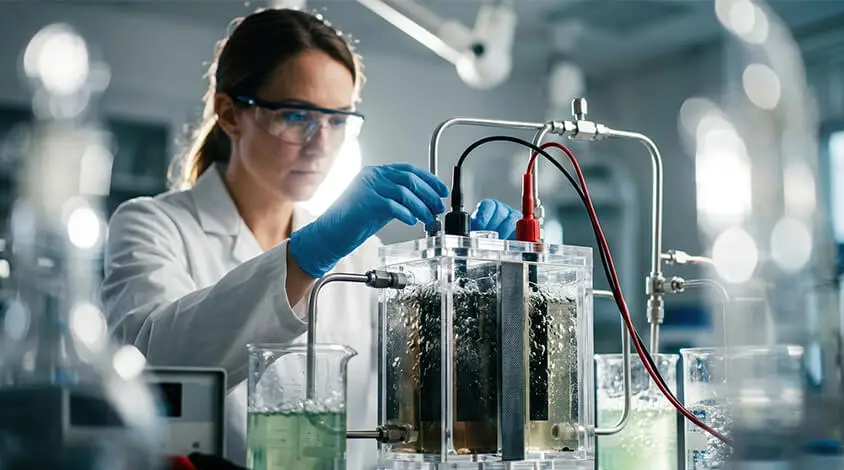
An electrochemical cell gives chemists direct control over electron transfer during oxidation and reduction. However, the value of electrochemical synthesis in pharmaceutical development depends on more than replacing a conventional reagent with electricity. Electrode behavior, cell engineering, reaction conditions, impurity control, and isolation determine whether an electrochemical reaction can become a practical process. Effective process development must therefore connect the chemistry occurring at the electrode surface with the design and operation of the complete electrochemical cell.
Why electrochemical synthesis is receiving serious attention
Oxidation and reduction are central to organic synthesis, although electron transfer is often hidden inside a stoichiometric reagent, catalyst, or activated intermediate. Electrochemical synthesis makes that transfer a controllable part of the reaction. A substrate is oxidized at the anode or reduced at the cathode, and the resulting radical, radical ion, cation, anion, or organometallic species enters the required bond-forming sequence.
This approach can avoid hazardous or waste-intensive redox reagents, open reaction pathways that are difficult to access through conventional two-electron chemistry, and allow adjustment of the rate of electron delivery. These advantages explain the growing interest across discovery, process development, and fine-chemical manufacturing. Industry adoption, however, remains selective. A recent survey across 17 major pharmaceutical companies found strong interest in electrochemistry, while also identifying scale-up, equipment, reproducibility, reaction scope, and knowledge transfer as continuing barriers.
For a pharmaceutical or biotechnology program, the useful question is not whether electrochemistry is inherently better than classical synthesis. The decision should be based on an understanding of the best synthetic sequence for a given transformation. Electrochemical synthesis is worth pursuing when it can remove a significant safety concern, shorten a sequence, improve chemoselectivity, avoid an unstable intermediate, reduce an inorganic waste stream, or provide access to a molecular motif that is otherwise difficult to prepare.
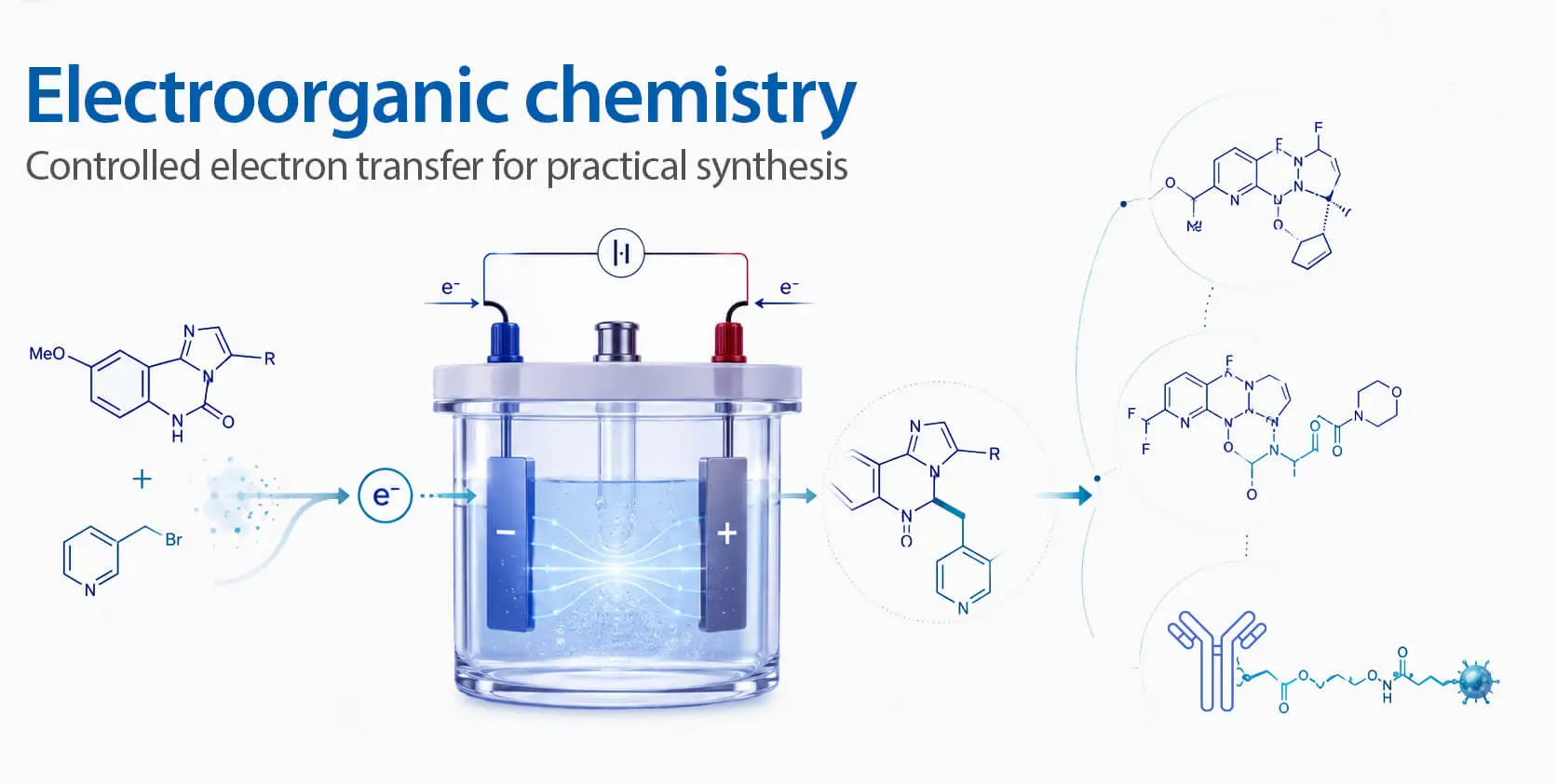
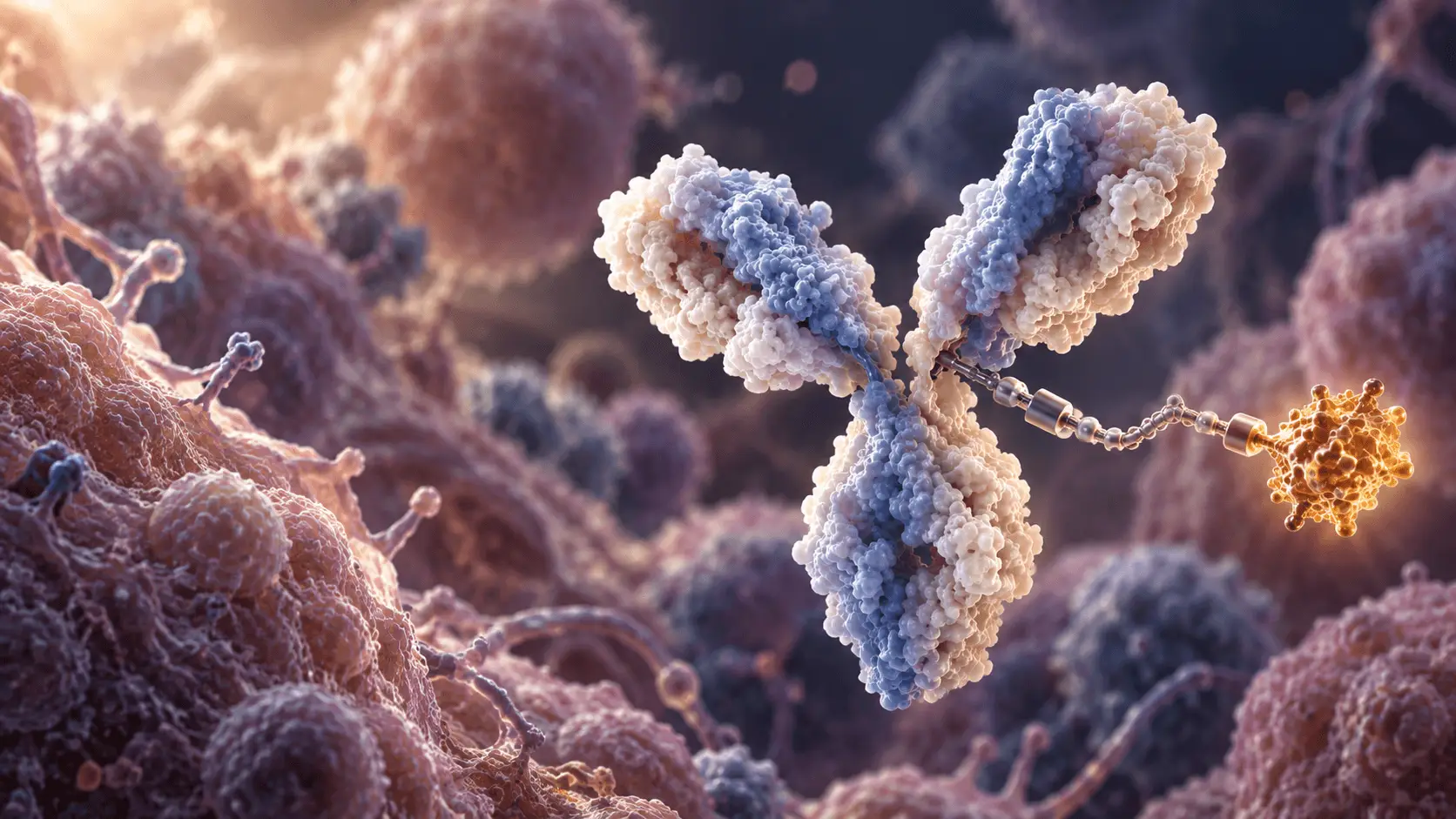
Figure 1. Controlled electron transfer can support selective synthesis of pharmaceutical intermediates and advanced conjugation motifs.
What happens inside an electrochemical reaction
An electrochemical cell contains an anode, a cathode, and a conductive reaction medium. Oxidation takes place at the anode, while reduction occurs at the cathode. The synthetic event may occur directly at an electrode surface or indirectly through a mediator that carries electrons between the electrode and the substrate.
In direct electrolysis, the substrate reaches the electrode and undergoes heterogeneous electron transfer. The intermediate may react near the electrode or diffuse into the bulk solution before the next chemical step. Direct electrolysis can simplify the reagent set, but it is sensitive to adsorption, electrode fouling, substrate concentration, and competing reactions at the surface.
Indirect electrolysis uses a redox mediator. The mediator is oxidized or reduced at the electrode and then reacts with the substrate in solution. This can lower the required operating potential, reduce direct exposure of a sensitive substrate to the electrode, and improve selectivity. The mediator adds another component to the process, so its stability, loading, removal, and effect on the impurity profile must be understood.
An electrochemical reaction may be anodic, cathodic, or paired. Anodic methods include oxidative coupling, decarboxylation, and heteroatom functionalization. Cathodic methods include reductive dehalogenation, carbonyl reduction, and reductive coupling. Paired electrolysis uses both electrode reactions productively, which can improve electrical efficiency, although the two half-reactions must remain kinetically and chemically compatible.
Current, potential, and electroanalytical methods
The additional control offered by electrochemistry is real, but it is sometimes described too casually. Changing the current or potential does not work like turning a simple reactivity dial. The effective electrode potential depends on conductivity, solvent, electrolyte, electrode spacing, surface condition, concentration, and mass transport.
Constant-current electrolysis is widely used because it is operationally simple and fixes the rate at which charge is delivered. Electrochemical cell voltage changes as resistance and composition change during the reaction. Constant-potential electrolysis holds the working electrode within a selected potential region and can be valuable when the substrate, product, and impurities have closely spaced redox events. It generally requires a reference electrode and more specialized control.
Cyclic voltammetry and related electroanalytical methods help identify oxidation or reduction events, compare substrates, and examine reversibility. These electroanalytical methods support reaction design but do not replace preparative experiments. An analytical voltammogram does not fully reproduce long reaction times, preparative concentrations, electrode fouling, or the chemical steps that follow electron transfer. Conversion, selectivity, mass balance, and product stability must still be established under synthetic conditions.
Electrochemical cell and electrode design
Undivided electrochemical cells are often preferred during early screening because they are simple and have relatively low resistance. Both electrodes share the same reaction compartment, so products or intermediates formed at one electrode may reach the other. This is acceptable only when the reaction mixture tolerates both electrode environments.
A divided electrochemical cell separates the anodic and cathodic compartments using a membrane, frit, or other separator. Separation can protect a product from counter-electrode reactions and allow different conditions in each chamber. It also increases complexity and resistance and may introduce membrane compatibility or mass-transfer problems.
Electrode identity cannot be reduced to a material name. Graphite, glassy carbon, stainless steel, nickel, platinum, zinc, magnesium, reticulated vitreous carbon, and aluminum can behave as inert, catalytic, or sacrificial surfaces depending on the transformation. Grade, porosity, exposed area, polish, pretreatment, immersed depth, spacing, passivation, and reuse history can all affect electrochemical reaction performance. A transferable process should therefore document current density and electrode geometry rather than reporting only the applied current and a generic material description.
Where electrochemical synthesis fits in pharmaceutical process development
In discovery chemistry, electrochemical synthesis offers a useful platform for rapid analogue generation, late-stage functionalization, decarboxylative coupling, reductive cross-coupling, and controlled formation of high-energy intermediates under mild bulk reaction conditions. The range of usable radical and ionic pathways makes it particularly relevant when conventional reagent-based methods give poor chemoselectivity or require extensive protecting-group manipulation.
The standard becomes more demanding during process development. The route must tolerate realistic substrate quality, give a consistent impurity profile, use available electrode materials, and support practical isolation. Supporting electrolytes, metal ions from sacrificial electrodes, mediator residues, and products of the counter-electrode reaction may all affect downstream processing. A reaction that ends in repeated chromatography is still an early-stage method, even when the electrolysis itself is efficient.
Environmental benefits must also be judged across the complete process. Electricity does not automatically make a reaction green. Solvent, electrolyte, work-up, energy source, electrode life, reaction concentration, yield, and waste treatment all matter. The strongest cases are those in which electrochemistry removes a significant route liability, supports relevant green chemistry principles, and simplifies the operations around the reaction.
A Syngene example of electrochemical synthesis: methylene alkoxy carbamates
A recent study by Syngene scientists demonstrates how electrochemical synthesis can address a defined linker-synthesis problem in prodrug and antibody–drug conjugate applications. Methylene alkoxy carbamates, commonly called MACs, can serve as self-immolative units for attaching alcohol-containing payloads in antibody–drug conjugates and degrader–antibody conjugates.
Alcohol-bearing payloads are difficult to accommodate in many established linker strategies. Several biologically active natural-product-derived structures contain hydroxyl groups but no convenient amine for conjugation. In other cases, attachment through an amine changes polarity and may affect permeability, lysosomal escape, or bystander activity. Conventional MAC syntheses can require reactive chloromethyl intermediates, prefunctionalized alcohols, acyl azides, Curtius rearrangement, or multistep activation sequences, and their performance often depends strongly on alcohol structure.
The Syngene team investigated non-Kolbe electrochemical decarboxylative alkoxylation of protected amino acids. In the proposed pathway, anodic oxidation of a carboxylate is followed by decarboxylation to generate an iminium intermediate. Nucleophilic addition of alcohol then forms the alkoxymethylene carbamate.
The model electrochemical reaction used N-Cbz glycine and methanol in N,N-dimethylacetamide in an undivided electrochemical cell with graphite electrodes under constant-current conditions. The optimized reaction produced the methoxy analogue in 78% isolated yield. No product formed without electrical current, while increasing the current from 70 to 100 mA reduced the yield to 27%, showing that charge delivery had to be controlled to limit competing oxidation.
The study went beyond methanol as a solvent and examined primary, secondary, tertiary, cyclic, and benzylic alcohols used as reactants. The method was also tested with different protected amino acids, an N-substituted amino acid, a constrained cyclopropyl substrate, a dipeptide, and an azide-containing ADC-relevant building block. This substrate range matters because expensive or structurally complex alcohol-containing payloads cannot usually be used as the bulk solvent.
Yields fell with several longer-chain, secondary, tertiary, and strained alcohols. Cyclopropanol required heating to 90 °C. A phenylalanine-derived substrate underwent racemization through the planar iminium intermediate, which limits the method where stereochemical retention at that center is required. The reported Faradaic efficiency for the model transformation was 7.12%, indicating that much of the applied charge was consumed by other electrochemical processes. These are useful process development findings because they identify where selectivity, charge efficiency, and substrate-specific optimization must improve.
Process development from reaction feasibility to scale-up
An electrochemical process does not scale by increasing the vessel volume while keeping the same current. Electrode area, current density, interelectrode distance, mixing, conductivity, gas evolution, heat generation, and substrate transport to the electrode must be considered together. As scale changes, the local environment within the electrochemical cell can change even when the bulk composition appears identical.
Flow electrochemistry can provide narrow electrode gaps and a high electrode-area-to-volume ratio, which often improves mass transfer and reduces resistance. Throughput can be increased by longer run time, wider channels, stacked cells, or numbering-up. Flow is not automatically preferable. Precipitation, heterogeneous mixtures, gas generation, high viscosity, or electrode deposits can complicate operation and may favor batch or recirculating designs. Published reviews on electrochemical reaction scale-up still show relatively few detailed kilogram-scale pharmaceutical examples, which is a warning against treating scale translation as routine.
A disciplined process development sequence starts with reaction feasibility and mechanistic understanding, followed by electrode, solvent, electrolyte, concentration, temperature, and current or potential screening. Development then needs to establish charge requirement, current density, impurity formation, mass balance, electrode stability, heat release, gas handling, and work-up. Electrochemical cell and reactor selection should follow these data.
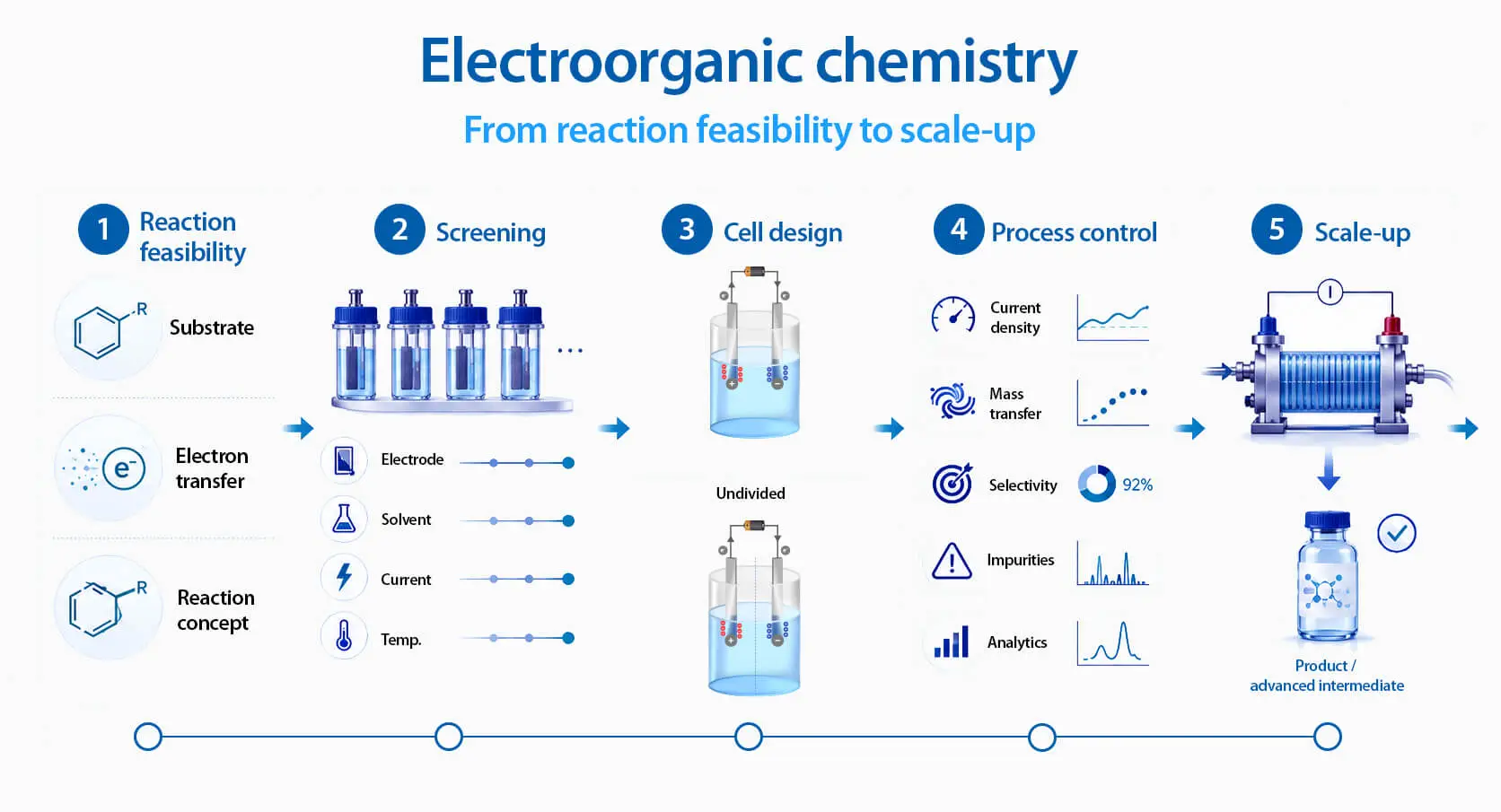
Figure 2. Electrochemical process development from reaction screening to scalable manufacturing.
What sponsors should expect from an electrochemical synthesis CDMO
Access to an electrochemical reactor is not, by itself, a meaningful capability. A CRDMO must connect reaction design with process chemistry, analytical development, engineering, safety assessment, impurity control, and isolation.
The practical questions are straightforward. Does the electrochemical step remove a serious route liability? Are the electrode materials stable and consistently available? Can supporting electrolyte loading be reduced or eliminated? What happens during a power or current interruption? Does the product undergo further oxidation or reduction? Are gases generated, and how are they managed? Can reaction progress and electrode condition be monitored? Can the product be isolated without chromatography? Does the overall process remain favorable after energy use, solvent recovery, and waste treatment are included?
Syngene’s electroorganic chemistry capability combines screening tools and electrochemical cell systems with organic synthesis, mechanistic evaluation, analytical characterization, and route-development experience. The MAC study reflects the type of work that matters in a CDMO setting: starting from a clear linker-synthesis limitation, building a mechanistic hypothesis, optimizing the electrical and chemical variables, testing structurally relevant substrates, and identifying the limitations that must be resolved before broader application.
Using electrochemical synthesis where it creates route-level value
Electrochemical synthesis is becoming a useful part of the synthetic toolkit, offering reaction pathways that complement conventional approaches. Its main value lies in using controlled electron transfer to generate intermediates that may be difficult or inefficient to access through classical methods.
In pharmaceutical development, early consideration of the electrode interface, impurity profile, product isolation, electrochemical cell design, and reactor configuration is necessary. When these elements are developed together, electrochemical methods can remove problematic reagents, simplify process sequences, expand accessible chemical space, and provide practical routes to structurally complex intermediates. Even an elegant small-scale electrochemical reaction can remain difficult to transfer when process development and engineering are considered too late.
Electrochemical synthesis therefore complements traditional organic chemistry rather than replacing it. It provides another way to control molecular activation, while process scientists and engineers determine whether the reaction can become scalable, reproducible, and suitable for pharmaceutical manufacturing.