SynVent is Syngene’s platform for fully integrated therapeutic discovery and development across large and small molecules.

Emerging biopharma work at the forefront of science, often venturing into disease areas where little or no real-world data exists to work with or regulatory frameworks to work within.
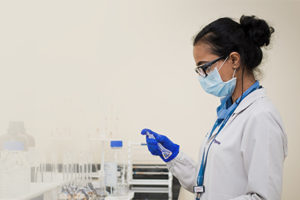
Our Dedicated Centers offer dedicated multi-disciplinary scientific teams, support personnel, and a tailormade ring-fenced and fire-walled infrastructure as per client specifications to support their R&D goals
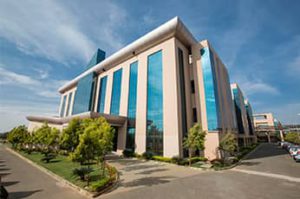
Centre for Advanced Protein Studies [CAPS] is a state-of-the-art advanced national facility located in the Syngene campus, Bangalore.

Home » About Us » Corporate Social Responsibility » Environmental Sustainability
At the heart of Syngene’s commitment to sustainability is the goal of creating a safe, healthy, and environmentally stable future for generations to come. Our environmental sustainability initiatives focus on sustainable mobility, biodiversity conservation, waste management, water security, and responsible resource consumption.
Syngene has invested more than ₹130 million since 2020 in the development of the Biocon-Hebbagodi Metro Station in Bengaluru, including public-art enhancements and median gardens. As of early 2026, the Namma Metro Yellow Line was averaging approximately 60,000 to 80,000 daily passengers, while the Biocon-Hebbagodi Metro Station recorded more than 2,500 commuters each day.
A third-party impact assessment funded by Syngene in partnership with Biocon Foundation and conducted by the Indian Institute of Science highlighted the broader societal value of the metro system. Based on a survey of 600 respondents, the study found that metro adoption can improve physical activity, reduce exposure to heat and air pollution, enhance mental well-being, and strengthen social connectivity and productivity.
Link to the report here
Syngene supports a mangrove restoration program along the Netravati River in coastal Mangaluru. The initiative aims to revitalize threatened habitats while contributing to climate action and biodiversity preservation. During FY26, 40,000 saplings were planted as part of the project.
Syngene supports peri-urban waste management improvements in Anekal, strengthening segregation practices and helping build more resilient waste management systems in an area that generates approximately 40 metric tons of waste each day.
Rainwater harvesting systems were installed at five government schools and hostels in Anekal, benefiting more than 1,000 students. The systems now enable participating schools to meet between 10% and 76% of their annual water requirements through harvested rainwater.
Syngene’s “Say No to Single-Use Plastics” initiative is an awareness and behavior-change program designed to reduce reliance on single-use plastics and encourage sustainable alternatives. The initiative includes the phased distribution of approximately 25,000 reusable items, including cloth bags and water bottles.